Regional Italian Cuisines: Key Differences Between North and South
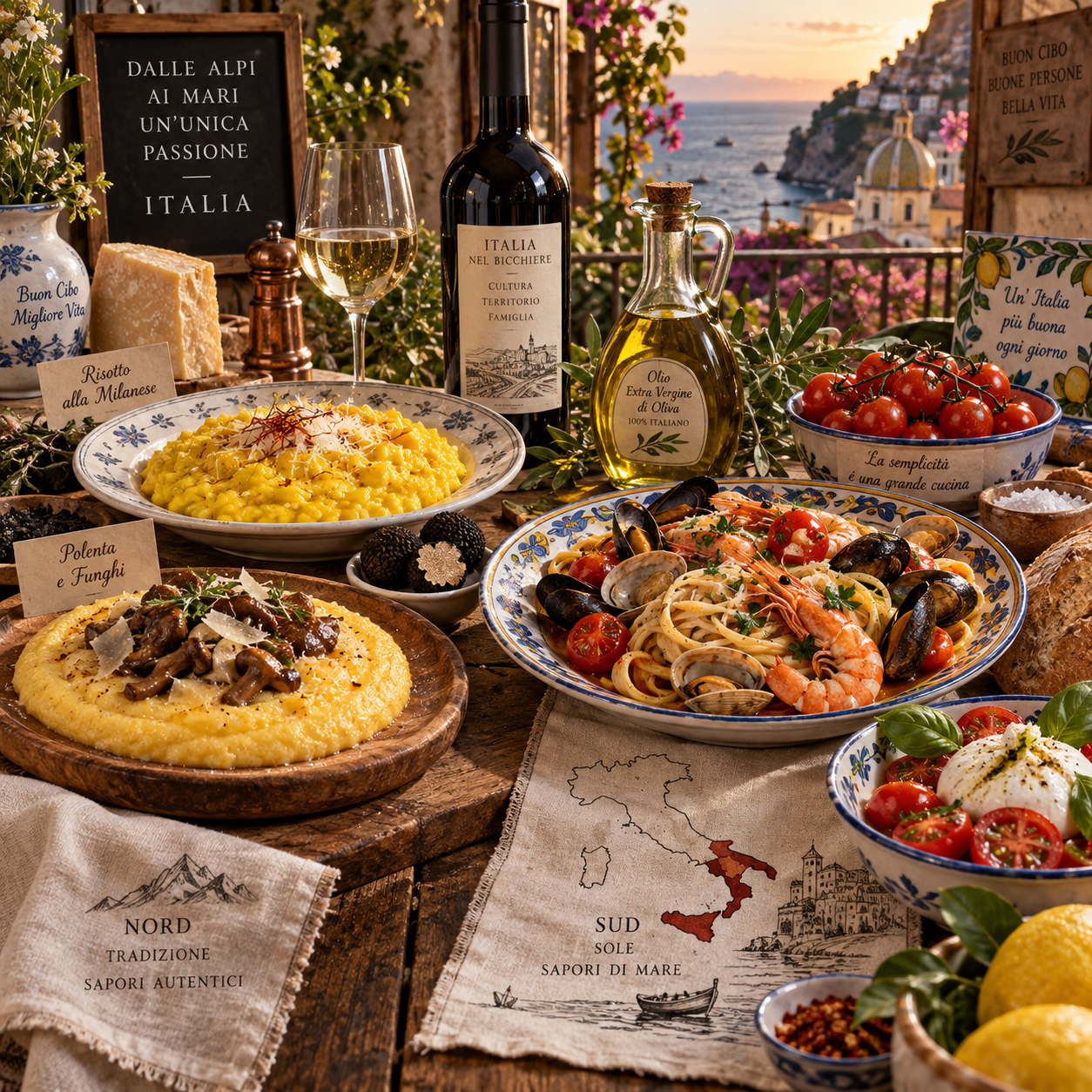
Italian cuisine changes dramatically from one region to the next. Northern Italian cuisine often features butter, dairy, rice, polenta, filled pasta, and slow-cooked meats, while Southern Italian cuisine leans toward olive oil, tomatoes, vegetables, dried pasta, legumes, herbs, and seafood. These are broad patterns rather than strict rules, since every region has its own ingredients and traditions.
For restaurant diners, this variety makes an Italian menu especially rewarding. A creamy risotto from Lombardy offers a different experience from a bright Sicilian seafood pasta, even though both belong to the same national culinary tradition. Understanding the geography behind each style can help you choose a dish that suits your appetite and discover regional Italian dishes beyond familiar favorites.
Why Italian Cuisine Changes from Region to Region
Regional Italian cuisine reflects geography, climate, agriculture, and history. Mountains, coastlines, fertile plains, and Mediterranean weather determine which ingredients were available locally, while centuries of trade and political influence shaped cooking techniques and flavor preferences.
The Alps and northern Apennines support dairy farming, cattle, rice cultivation, and hardy grains. The broad Po Valley provides ideal conditions for rice, corn, vegetables, and livestock. In these areas, cooks developed dishes that are warming, substantial, and often enriched with butter or cheese.
Central and southern Italy generally offer more olive groves, vineyards, wheat fields, citrus orchards, and long growing seasons. Coastal communities developed strong seafood traditions, while inland areas relied on legumes, vegetables, bread, and preserved foods. Tomatoes became essential in many southern kitchens after their adoption into Italian cooking, but regional use varies widely.
History adds another layer. French influence can be felt in some northern culinary traditions, while southern Italy reflects centuries of Greek, Arab, Spanish, and Norman contact. Sicily, for example, combines wheat, citrus, eggplant, seafood, raisins, and aromatic spices in ways that distinguish it from both Lombardy and Campania.
It is useful to think of Italy as a collection of culinary landscapes rather than one single cuisine. The North and South provide a helpful comparison, but Piedmont is different from Veneto, and Puglia is different from Sicily.
Northern Italian Cuisine: Rich, Alpine, and Creamy
Northern Italian cuisine is known for butter, dairy, rice, polenta, fresh pasta, and rich meat-based preparations. Its flavors are often deep and rounded, with emphasis on texture, slow cooking, aged cheese, and ingredients suited to cooler climates.
Butter remains a defining cooking fat in many northern regions, particularly where olive trees are less common. Cream, mascarpone, fontina, Gorgonzola, Parmigiano-Reggiano, and other local cheeses add body to sauces, fillings, and baked dishes. This does not mean every northern dish is heavy; seafood and vegetable cooking in Liguria and Veneto can be notably fresh and delicate.
Risotto is one of the clearest northern signatures. Short-grain rice such as Carnaroli or Arborio is gradually cooked with stock, then finished with butter and cheese to create a creamy texture without necessarily adding cream. Saffron risotto from Milan, mushroom risotto, and seafood risotto each show how the same technique adapts to local ingredients.
Polenta, made from ground cornmeal, is especially associated with the Alpine North and northeastern Italy. It may be served soft with braised meat, mushrooms, or cheese, or allowed to set and then grilled or fried. Filled fresh pasta also plays a major role. Ravioli, tortellini, agnolotti, and cappelletti are often paired with butter and sage, meat ragù, or a restrained broth.
Representative northern ingredients include:
- Butter and dairy: used in sauces, fillings, baking, and finishing.
- Rice: central to risotto and other dishes from the Po Valley.
- Polenta: served with cheese, mushrooms, poultry, or braised meats.
- Beef, veal, pork, and game: often braised, roasted, or cooked into ragù.
- Alpine herbs and mushrooms: valued for earthy, woodsy flavor.
Choosing a northern dish usually means accepting more richness in exchange for a silky texture and layered savory flavor. A diner seeking something light may prefer a vegetable-filled pasta or a seafood dish from Liguria rather than a cheese-heavy preparation.
Southern Italian Cuisine: Mediterranean, Bold, and Seasonal
Southern Italian cuisine centers on olive oil, tomatoes, vegetables, wheat-based pasta, legumes, herbs, and seafood. The cooking often tastes bright and direct, with acidity, sweetness, salt, and aromatic freshness kept clearly recognizable.
Extra-virgin olive oil is both a cooking medium and a finishing ingredient. It may flavor a tomato sauce, dress grilled vegetables, enrich beans, or be drizzled over bread and seafood just before serving. Garlic, chili, oregano, basil, parsley, and lemon frequently provide lift without masking the main ingredient.
Tomatoes are prominent in many southern dishes, especially in Campania, Calabria, Basilicata, Puglia, and Sicily. Their sweetness and acidity balance pasta, eggplant, seafood, and meat. Yet southern cooking is broader than tomato sauce. Puglia is celebrated for wheat, greens, beans, and simple pasta shapes; Sicily brings citrus, fennel, eggplant, swordfish, and Mediterranean influences; Calabria is known for chili and assertive flavors.
Seafood is especially important in coastal regions. Sardines, anchovies, mussels, clams, octopus, tuna, swordfish, and prawns appear in grilled, roasted, fried, and pasta dishes. Inland southern cooking often highlights chickpeas, lentils, fava beans, potatoes, bitter greens, and rustic breads.
Southern dishes frequently use dried pasta made from durum wheat, which holds its shape and provides a firm bite. Shapes are chosen to match the sauce: orecchiette catch greens and creamy vegetable sauces, while long strands carry olive-oil, tomato, or seafood preparations. The result can feel lighter than a butter-based dish, although olive oil, fried elements, cured meats, and cheese can also make southern food substantial.
Pasta, Rice, and Grains: Regional Differences
The North favors fresh egg pasta and risotto, while the South is more strongly associated with dried durum-wheat pasta and grain-based dishes. These preferences grew from local crops, climate, economics, and long-standing household techniques.
Fresh pasta is common in Emilia-Romagna, Piedmont, Lombardy, and parts of Veneto. Eggs and soft wheat produce a tender, delicate dough suited to tagliatelle, lasagna sheets, tortellini, and ravioli. Restaurants may pair these pastas with ragù, butter and sage, broth, or a cheese-based sauce.
In the South, dried pasta offers durability and a firm, resilient texture. Spaghetti, bucatini, paccheri, orecchiette, and busiate can be matched with tomato sauces, vegetables, legumes, or seafood. The best pairing depends on the shape and sauce, not on a simple North-versus-South rule.
Risotto requires a different method from pasta. The rice is usually toasted, then cooked gradually with hot stock while the pan is stirred or shaken. A final addition of butter and cheese, known as mantecatura, creates its characteristic creaminess. Northern cooks also use rice in dishes influenced by local agriculture, particularly around Milan and the Veneto.
Other grains matter too. Polenta is a northern staple, while southern regions use wheat, barley, farro, semolina, and legumes in soups, salads, breads, and pasta. These differences offer a practical menu clue: a dish described as silky, folded, or filled may suggest northern fresh pasta, while a dish featuring durum wheat, greens, beans, or a spicy tomato sauce may point south.
Sauces, Proteins, and Cooking Methods
Northern cooking often builds richness through butter, dairy, stock, and slow braising, while Southern cooking commonly relies on olive oil, tomatoes, grilling, roasting, frying, and seafood. Both traditions use simple ingredients, but they create contrast through different fats, temperatures, and textures.
A northern sauce might begin with butter, onions, stock, wine, or meat juices and finish with cheese. Braised beef, veal, pork, and game appear in dishes designed for long, gentle cooking. The goal is tenderness and concentration. Cream is used in some restaurant preparations, but traditional northern richness often comes from reduced stock, cheese, or properly emulsified butter rather than a heavy pour of cream.
Southern sauces often start with olive oil, garlic, onion, or chili before adding tomatoes, vegetables, herbs, or seafood. High-heat methods are common for grilling fish, roasting peppers, frying eggplant, or searing meat. Seafood is usually treated quickly to preserve its clean, briny character.
There are important overlaps. Ligurian pesto uses olive oil and basil in the North, while coastal Veneto has strong seafood traditions. Southern cooks also use butter and cheese, and northern regions produce tomato-based dishes. The most reliable way to interpret a menu is to look at the complete combination of ingredients and technique.
Representative Dishes to Try at an Italian Restaurant
To explore regional Italian dishes, choose one preparation from the North and one from the South, then compare texture, seasoning, and cooking method. Ask the restaurant which region inspired the dish, especially when the menu combines traditions from several parts of Italy.
Northern dishes and styles
- Saffron risotto: a Milanese specialty with a smooth texture, savory stock, saffron aroma, and a buttery finish.
- Tagliatelle al ragù: fresh pasta traditionally served with a slow-cooked meat sauce, especially associated with Emilia-Romagna.
- Tortellini in broth: delicate filled pasta served in a clear, comforting broth.
- Polenta with braised meat or mushrooms: soft cornmeal paired with earthy or deeply savory toppings.
- Gnocchi with alpine cheese: a soft, satisfying dish that highlights the North’s dairy traditions.
Southern dishes and styles
- Orecchiette with greens: a Puglian combination of ear-shaped pasta, broccoli rabe or other greens, garlic, and olive oil.
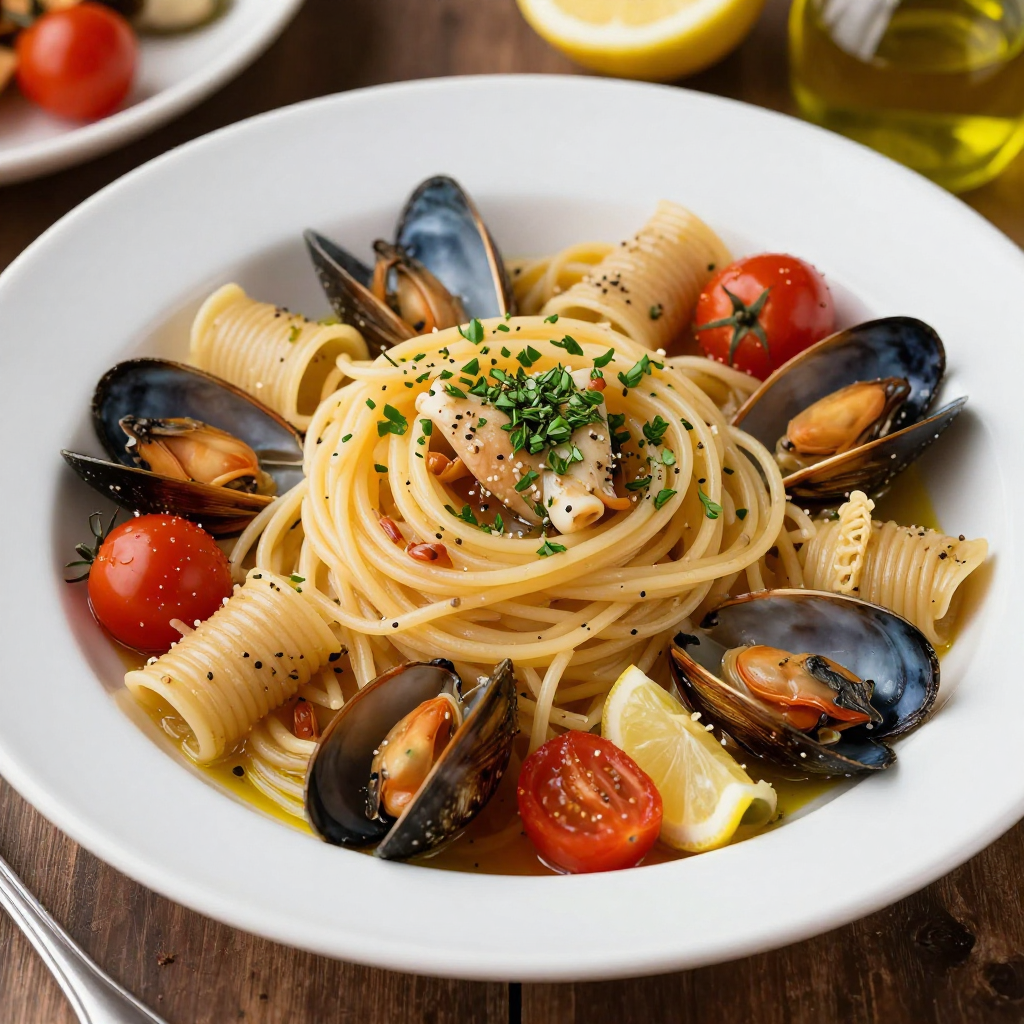
- Spaghetti with clams: a coastal preparation built around shellfish, garlic, olive oil, parsley, and pasta water.
- Pasta alla Norma: Sicilian pasta with tomato, fried eggplant, basil, and salted ricotta.
- Seafood pasta: a broad category that may include mussels, prawns, calamari, clams, or local fish.
- Eggplant, bean, or vegetable dishes: hearty options that show how central produce and legumes are to southern cooking.
Desserts reveal regional contrasts as well. Northern menus may include panna cotta, tiramisu, or hazelnut-based sweets, while southern choices can include cannoli, cassata, almond pastries, granita, or citrus desserts. A restaurant’s dessert list can be a useful final clue to its regional focus.
How to Choose a Regional Italian Dish
Choose a regional Italian dish by matching your preferred richness, acidity, texture, protein, and level of spice to the menu description. Then consider whether you want a comforting northern preparation, a bright southern plate, or a coastal dish built around seafood.
- For creamy and comforting: choose risotto, filled fresh pasta, polenta, or a dish with butter, cheese, and slow-cooked meat.
- For bright and aromatic: look for olive oil, tomatoes, lemon, basil, parsley, garlic, or seasonal vegetables.
- For a firm pasta texture: order dried durum-wheat pasta with a tomato, vegetable, legume, or seafood sauce.
- For seafood: seek coastal specialties featuring clams, mussels, anchovies, prawns, octopus, swordfish, or local fish.
- For a vegetarian meal: consider risotto with mushrooms, polenta with vegetables, pasta with greens, eggplant dishes, beans, or seasonal produce.
- For spice: look for Calabrian chili, spicy sausage, or southern sauces described as piccante.
One common mistake is assuming that every tomato dish comes from the South or every creamy dish comes from the North. Another is judging authenticity by whether a dish matches an Italian-American version. Regional Italian cuisine has its own ingredients, serving customs, and local variations, so a restaurant may present a faithful interpretation without resembling familiar adaptations.
When in doubt, ask three practical questions: Which region inspired this dish? What is the main cooking fat? Is the preparation fresh, grilled, braised, or slow-cooked? The answers usually reveal more than the dish name alone.
From Alpine butter and polenta to Mediterranean olive oil and seafood, Italy’s regional cuisines offer many ways to experience the country at the table. Exploring both Northern Italian cuisine and Southern Italian cuisine turns a restaurant visit into a small culinary journey, with each plate shaped by its landscape, history, and local pantry.
Frequently Asked Questions About Northern and Southern Italian Cuisine
What is the main difference between Northern and Southern Italian cuisine?
Northern Italian cuisine commonly emphasizes butter, dairy, rice, polenta, fresh pasta, and slow-cooked meats. Southern Italian cuisine more often highlights olive oil, tomatoes, vegetables, dried pasta, herbs, legumes, and seafood. These are broad tendencies, not absolute rules.
Is pasta more common in the South than in the North?
Pasta is essential throughout Italy. The difference is often the type: northern regions are strongly associated with fresh egg pasta, while southern regions are known for dried durum-wheat pasta and distinctive shapes such as orecchiette and busiate.
Why does Northern Italian cuisine use more butter and dairy?
Cooler climates, cattle farming, Alpine agriculture, and the historical availability of milk and cheese helped establish butter and dairy as important northern ingredients. Olive oil is also used in northern regions, particularly Liguria and areas near the Adriatic.
Which Italian regions are known for seafood?
Coastal regions throughout Italy have seafood traditions, including Liguria, Veneto, Campania, Puglia, Calabria, Sicily, and Sardinia. Local species and techniques vary, from Ligurian fish dishes to Sicilian swordfish and Puglian shellfish.
What regional Italian dishes should first-time diners try?
For the North, try saffron risotto, tagliatelle with ragù, tortellini in broth, or polenta with mushrooms. For the South, consider orecchiette with greens, spaghetti with clams, pasta alla Norma, or a seasonal seafood pasta.