The Truth About Italian Olive Oil: How to Choose and Use It
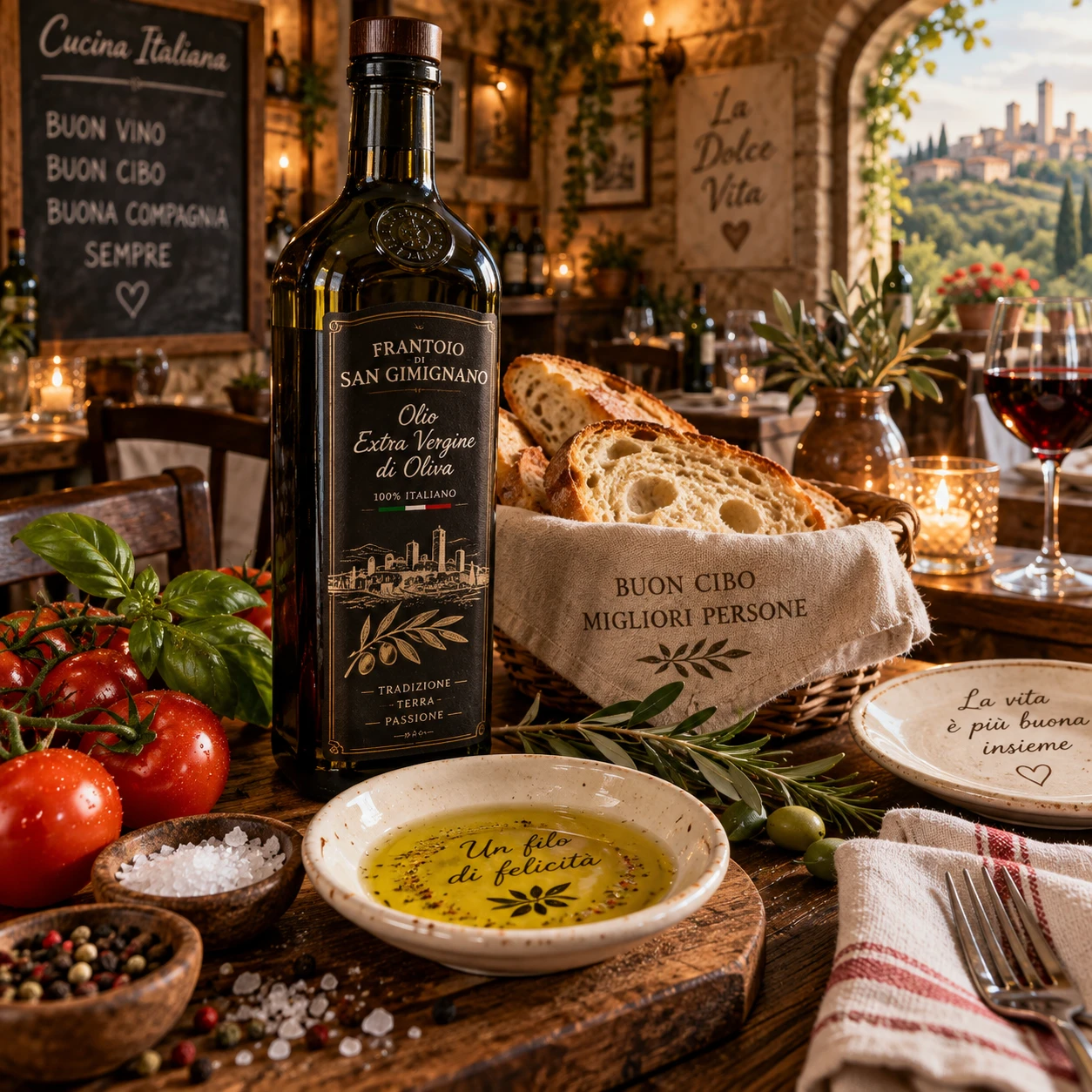
A bottle marked Italian olive oil can suggest sunlit groves and generations of craft, but the country name alone doesn’t tell you everything about what’s inside. To choose well, look beyond the front label: check the origin, harvest information, packaging, and flavor. Then match the oil to the dish, whether you’re dressing bitter greens, finishing pasta, or dipping bread at the table.
What “Italian olive oil” really means
Italian olive oil may be made from olives grown and milled in Italy, or it may be a blend of oils from several countries that is packaged or sold by an Italian company. The label’s wording and origin details help you tell the difference.
Read the back label as carefully as the front. Phrases such as “product of Italy” can refer to where the oil was produced or bottled, while a statement naming Italy as the place where olives were grown and milled offers more specific origin information. If the label says the oil is a blend of olive oils from the European Union or from EU and non-EU countries, the contents may come from multiple regions.
Italy has many olive-growing areas, and their oils can vary with region, olive variety, harvest timing, and production choices. A single-region oil may offer a clear sense of place, while a blend can be composed for balance and consistency. Neither format guarantees better quality. Think of origin as useful context, not a quality score.
Extra virgin, explained without the jargon
Extra virgin olive oil is the highest recognized grade of olive oil, made by mechanical means and required to meet chemical and sensory standards. The label tells you the oil has been assessed against a standard; it does not promise that every bottle tastes equally fresh or flavorful.
For shoppers, extra virgin is a practical starting point for an oil with a clean olive character. Good examples may taste fruity, grassy, herbal, or nutty, with some bitterness and a peppery sensation at the back of the throat. The intensity depends on the olives and the oil’s style. A peppery finish can be a normal flavor trait, not a defect.
“Cold extracted” or similar wording describes how the oil is processed, generally at controlled temperatures. It can be a helpful production detail, but it isn’t a freshness date or a substitute for tasting and checking the package. Likewise, extra virgin does not mean Italian: oils from many countries can meet the grade.
How to choose a fresh, flavorful bottle
To choose a fresh olive oil, check for a recent harvest date, a clear origin, and packaging that protects the oil from light. Then buy an amount you expect to use while its flavor is still lively.
- Look for harvest information. A harvest date is more useful than a distant best-before date when judging freshness. Choose a recent harvest when possible, and note that harvest seasons vary by hemisphere and region.
- Check the origin statement. Specific details about where the olives were grown and milled help you understand whether you’re buying a regional Italian oil or an international blend.
- Choose protective packaging. Dark glass, a tin, or another opaque container shields oil from light better than clear glass. A small, well-sealed bottle is often a smarter buy than a large one that will sit open for months.
- Use price as context, not proof. Production, packaging, and origin can affect price, but an expensive bottle still needs to suit your taste and use.
If you can taste before buying, try a small amount on its own or with plain bread. Look for fresh fruit or herb notes, a clean aroma, and a flavor that fits your preference. Musty, waxy, crayon-like, or stale-nut aromas can suggest that the oil has deteriorated. Tasting is a guide, not a lab test: a mild oil can be perfectly sound, and a bold one isn’t automatically superior.
Match the oil to the dish
Choose olive oil by flavor intensity and the role it plays in the dish. Delicate oils suit subtle ingredients, while robust, peppery oils can stand up to bitter greens, legumes, and strongly flavored finishes.
A mild, rounded oil works well in mayonnaise, a gentle vinaigrette, or dishes where you don’t want the oil to dominate. A medium-fruity oil can dress tomatoes, grilled vegetables, or mozzarella. A more assertive oil brings character to white beans, lentil soup, bitter chicory, or a slice of grilled bread rubbed with garlic.
For bread dipping and finishing, use an oil whose aroma you enjoy on its own. Pour a little into a shallow dish just before serving, or drizzle it over soup, roasted vegetables, risotto, or pasta after cooking. The flavor will be easier to notice than if the oil is heated for a long time.
There is no rigid rule that one olive variety belongs with one food. Use contrast when a dish tastes flat and a gentler pairing when its ingredients are already delicate. If you’re unsure, taste a spoonful of the food with a drop of oil before dressing the whole plate.
Cooking with olive oil: practical guidance
Extra virgin olive oil can be used for sautéing, roasting, and many other everyday cooking tasks. Choose the oil for its flavor and the cooking temperature, and avoid heating it until it smokes.
Olive oil’s smoke point varies with the oil’s composition, age, and condition, so a single number cannot predict how every bottle will behave in your pan. For typical sautéing or oven roasting, use moderate heat and watch the food rather than relying on a universal temperature rule. If the oil is smoking, lower the heat and ventilate the kitchen; sustained overheating damages flavor and creates unwanted smoke.
Use a less expensive but fresh oil for cooking when a dish doesn’t need a pronounced olive flavor. Save a distinctive bottle for finishing if that makes sense for your budget. This is a choice of flavor and value, not a rule that extra virgin oil must never be heated.
- For sautéed garlic or vegetables, warm the oil gently and add ingredients before it starts to smoke.
- For roasting, coat vegetables lightly and use an oven temperature appropriate to the recipe.
- For a bright finish, add a small drizzle after cooking, especially to beans, greens, pasta, or soup.
How to store olive oil and keep its flavor
Store olive oil tightly closed in a cool, dark place, away from the stove, sunlight, and other heat sources. Limiting exposure to light, heat, and air helps preserve its aroma and flavor.
After use, replace the cap promptly and keep the bottle in a cupboard rather than beside a sunny window or hot cooktop. If you buy oil in a tin or large container, you can decant a small amount into a clean, dark bottle for everyday use, then close the main container securely.
Refrigeration is usually unnecessary for everyday storage. Cold can make olive oil cloudy or cause it to thicken; this change is generally temporary, and the oil returns to its usual appearance as it warms. Chilling can be useful if you need longer storage, but it is less convenient and doesn’t make old oil fresh again. Buy a quantity you’ll use in a reasonable time and let your nose and palate guide you.
How Italian restaurants use olive oil
Italian restaurants use different olive oils for cooking, dressing, and finishing, because each role calls for a different balance of flavor and cost. A kitchen may choose a dependable oil for sautéing and a more expressive bottle for the final drizzle or table service.
In a restaurant, olive oil might soften garlic in a pan, carry herbs through a dressing, or add a fresh, peppery note to minestrone. A cook may finish grilled fish with a delicate oil so it doesn’t overwhelm the fish, then use a bolder one on bitter greens or warm beans. The dish, not a fixed rule about “authentic” oil, determines the choice.
At home, borrow the same approach: keep one reliable cooking oil within reach, and choose a fresh, flavorful bottle for bread dipping or finishing when you want the oil itself to stand out. If a restaurant serves oil with bread, taste it before adding salt or balsamic vinegar. That first taste tells you whether the oil is mild, fruity, grassy, or peppery, and gives you a better sense of how to use it in your own kitchen.
Italian olive oil questions, answered
These quick answers cover common questions about Italian olive oil labels, cooking, freshness, and storage.
Is all olive oil labeled Italian made entirely from Italian olives?
No. Check the origin statement: some Italian-branded oils are blends of oils from multiple countries. A label that specifies Italian-grown and milled olives gives more precise information about origin.
Can extra virgin olive oil be used for cooking?
Yes. Extra virgin olive oil works for sautéing and roasting when you manage the heat and avoid letting the oil smoke. Its flavor may become less noticeable during longer cooking.
How can I tell if olive oil has gone stale?
Stale oil may smell or taste waxy, musty, or like old nuts or crayons rather than fresh fruit or herbs. Check the harvest information and how the bottle was stored, but use smell and taste as practical clues.
Should olive oil be refrigerated?
Usually not. A cool, dark cupboard is convenient for regular use. Refrigeration can make oil cloudy or thick, but that change is typically temporary as it warms.