Understanding Italian Coffee Culture: From Espresso to Caffè Corretto
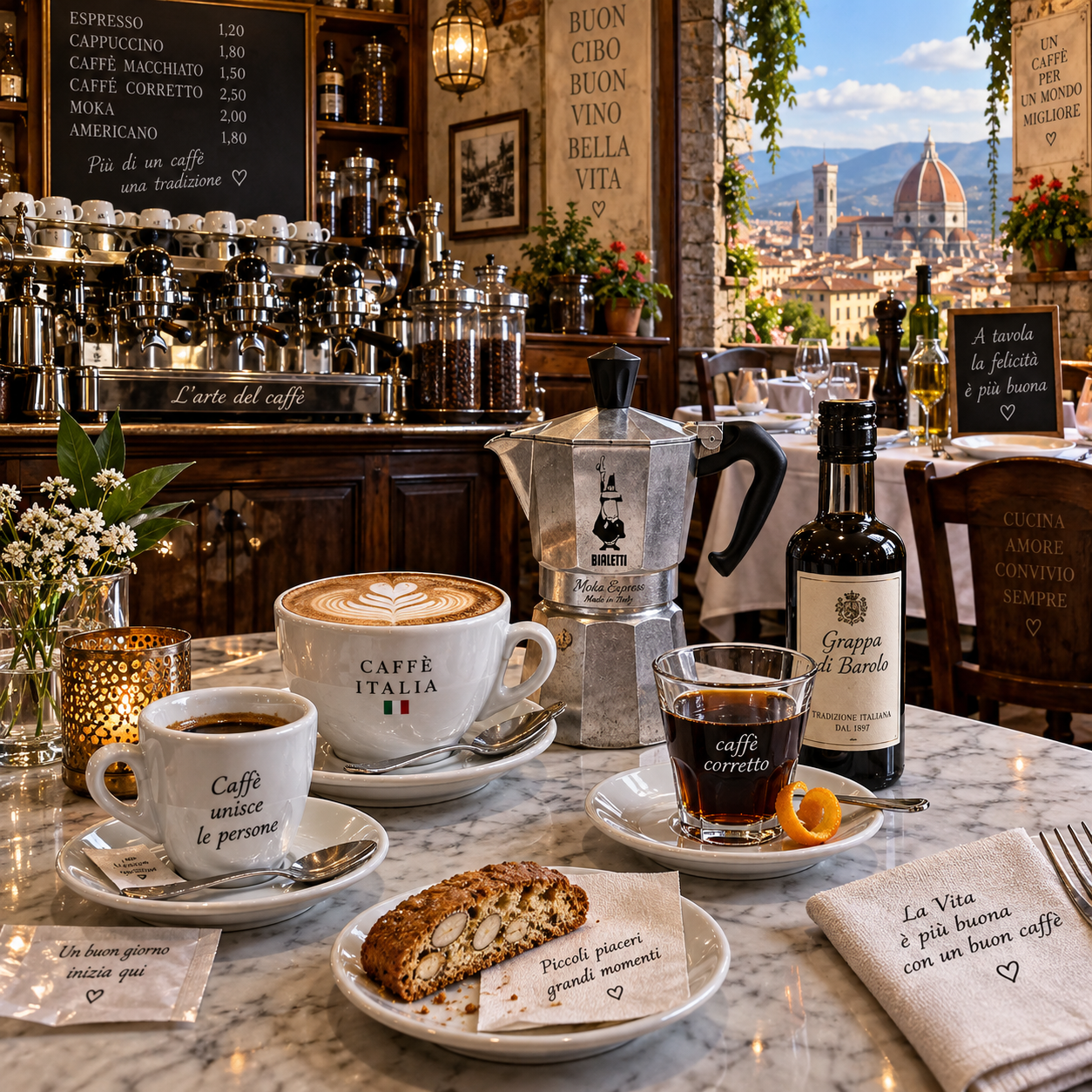
Italian coffee culture is built around small cups, familiar rituals, and the pleasure of pausing at the right moment. A quick espresso at an Italian coffee bar, a creamy cappuccino in the morning, or a caffè corretto after dinner can each express a different part of the day.
For visitors, the menu may seem compact but highly specific. Understanding the language and context makes ordering easier, especially in an Italian restaurant where coffee follows a meal and often completes the experience.
What Makes Italian Coffee Culture Unique?
Italian coffee culture is a daily ritual shaped by speed, consistency, social habits, and regional variation. Coffee may be enjoyed quickly at the bar or slowly at a restaurant table, depending on the setting and occasion.
The Italian coffee bar is often a lively place rather than a destination for extended work. A customer may step inside, greet the barista, order a caffè, drink it in a few sips, and continue the day. Standing at the counter is usually faster and may cost less than sitting at a table, although prices and customs vary by venue.
That speed does not mean the experience lacks care. The short format gives attention to the coffee itself: its aroma, crema, temperature, and concentrated flavor. Coffee also creates a small social connection. People exchange greetings, read the news, meet friends, or finish a conversation over a cup.
Italian habits are conventions rather than unbreakable laws. Regional traditions, family preferences, restaurant style, and personal taste all influence what people order. The useful principle is to consider the drink’s context: morning, after lunch, during a break, or after dinner.
Espresso: The Foundation of Italian Coffee
Espresso is the foundation of Italian coffee culture: a small, concentrated coffee prepared by forcing hot water through finely ground coffee under pressure. In Italy, ordering a caffè usually means ordering a standard espresso.
A traditional espresso arrives in a small cup, often with a layer of crema on top. Its flavor is intense and its serving size is modest, so it is designed to be enjoyed in a few sips rather than carried in a large cup. Sugar may be added according to preference, and a glass of water may accompany the order in some cafés.
Espresso fits naturally into many parts of the day. Someone might drink it during a work break, after lunch, or while catching up with a friend. At the end of a restaurant meal, it provides a compact, aromatic finish without adding the volume of a long brewed coffee.
One common misunderstanding is that espresso means a special bean. The word describes the preparation and service style, while the blend can vary. Italian cafés may use different combinations of Arabica and Robusta coffees, roast levels, and house blends, producing distinct aromas and textures.
For a useful reference on the beverage’s preparation and terminology, the Wikipedia overview of espresso provides additional background. At the table, however, the simplest order is usually un caffè, pronounced approximately “oon kah-FEH.”
Popular Italian Coffee Drinks to Know
Popular Italian coffee drinks differ mainly in the amount of water, milk, foam, or alcohol added to espresso. Knowing these distinctions helps you choose a drink that matches your appetite, the time of day, and the meal.
Caffè lungo
A caffè lungo is an espresso extracted with more water, creating a longer drink with a lighter concentration than a standard espresso. It still tastes like espresso, but the cup lasts longer. Ask for un lungo when you want a more extended coffee without ordering a milk-based drink.
Caffè macchiato
A caffè macchiato is espresso marked with a small amount of steamed milk or milk foam. The milk softens the coffee’s edge while keeping espresso at the center. The word macchiato means “stained” or “marked,” referring to the touch of milk.
Cappuccino
A cappuccino combines espresso with steamed milk and a layer of foam. It is fuller and creamier than a macchiato, making it a satisfying morning choice. Many Italians traditionally associate cappuccino with breakfast, often alongside a pastry, though ordering one later is a matter of preference rather than a serious breach of etiquette.
- Espresso: short, concentrated, and usually served without milk.
- Caffè lungo: longer and more diluted, while retaining an espresso character.
- Caffè macchiato: espresso with a small mark of milk or foam.
- Cappuccino: espresso with a more substantial quantity of steamed milk and foam.
These drinks should not be confused with every similarly named beverage abroad. A large latte-style drink, for example, may not correspond to a standard Italian order. If you want warm milk with espresso, ask about a caffè latte or latte macchiato, and be precise about the amount of coffee you prefer.
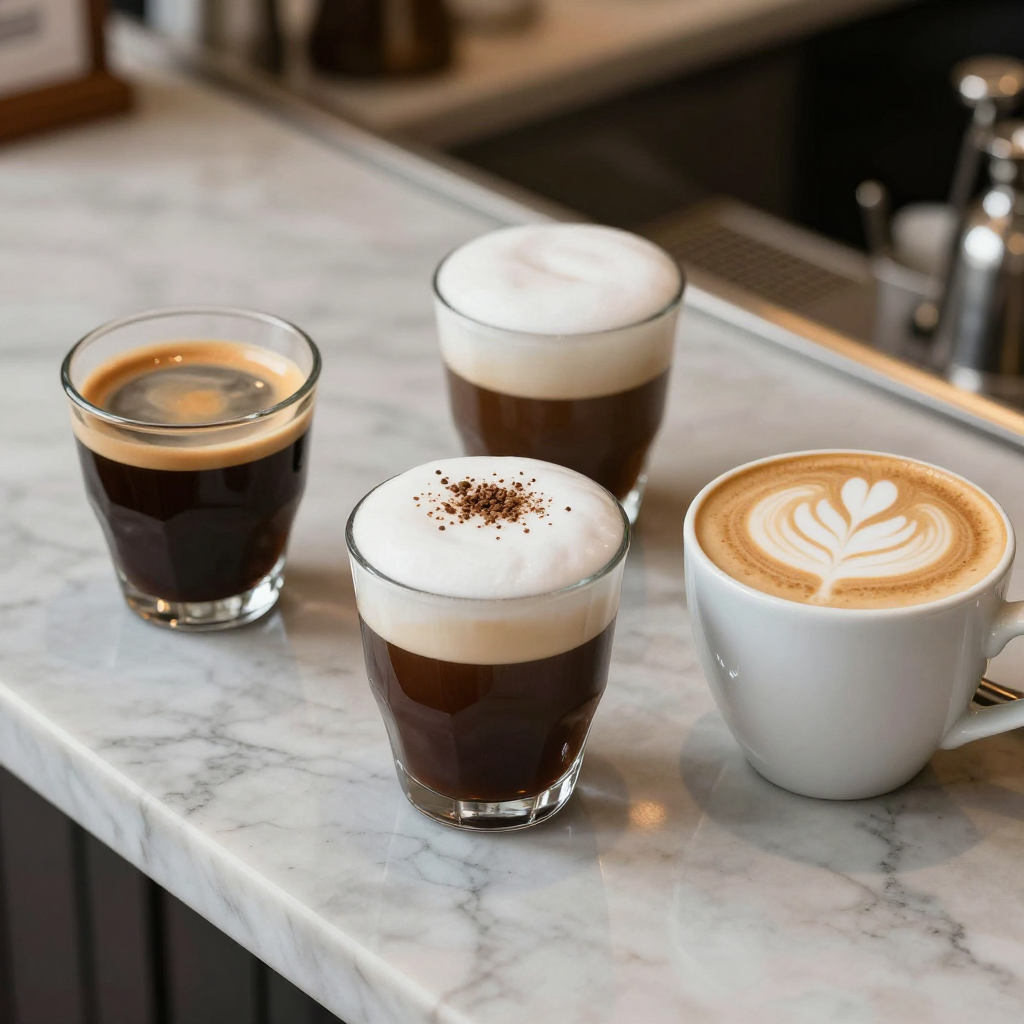
Caffè Corretto: Espresso with a Spirited Twist
Caffè corretto is an espresso corrected or complemented with a small amount of distilled spirit, usually served as a compact after-meal coffee. The alcohol varies by establishment and preference, so asking which spirit is used is perfectly reasonable.
The drink keeps espresso at its core. A measured splash of spirit adds aroma, warmth, and a sharper finish. Depending on the restaurant or café, the coffee and alcohol may arrive already combined, or the spirit may be served alongside the espresso so the guest can add it personally.
The term corretto is commonly translated as “corrected,” but the idea is less about fixing a mistake than adapting the coffee with an extra character. The result is a digestif-style drink: small, intense, and suited to the close of a meal.
There is no single mandatory recipe. A restaurant may offer grappa, sambuca, brandy, or another spirit, while some guests prefer a particular regional or family tradition. Because alcohol changes the drink substantially, caffè corretto is better treated as an after-dinner option than as a replacement for an ordinary espresso.
When ordering, say un caffè corretto, pronounced approximately “oon kah-FEH koh-REHT-toh.” Then ask, “Quale liquore?” if you want to know which liqueur or spirit accompanies it. Drink responsibly, especially when the meal has already included wine or other alcoholic beverages.
Italian Coffee Etiquette and Ordering Tips
Italian coffee etiquette is easiest to follow when you identify the service style, use the simplest order, and respect the meal’s pace. At a bar, coffee is often quick and informal; in a restaurant, it may be part of a relaxed after-dinner service.
At an Italian coffee bar
First, check whether customers pay before ordering or receive a receipt to present at the counter. This varies, so watching the queue for a moment can prevent confusion. Order with the drink’s Italian name, pay as requested, and enjoy it at the bar if you want the traditional quick experience.
- Say un caffè for a standard espresso.
- Say un cappuccino for espresso with steamed milk and foam.
- Say un macchiato when you want espresso with a small amount of milk.
- Say un caffè lungo for a longer espresso-style drink.
- Ask for un caffè corretto when you want espresso with spirit.
Standing at the counter is convenient, but sitting down may offer a slower, more scenic experience. The seated price can be higher because it includes table service and the setting, so review the menu when available.
Choosing the right time
Cappuccino is strongly associated with breakfast, while espresso works throughout the day. That is a social convention, not a prohibition. If you genuinely want a cappuccino in the afternoon, you can order one; simply understand that an espresso may feel more typical after a substantial lunch or dinner.
Milk-heavy drinks can feel filling after a large meal, which is why many diners choose espresso instead. Caffè corretto usually follows the meal and functions as a digestif-style finish. Local customs differ, and hospitality matters more than rigid performance.
Bringing the Italian Coffee Experience to the Restaurant Table
In an Italian restaurant, coffee is often ordered after dessert or alongside the final conversation, making it part of the meal’s closing rhythm. Espresso provides a clean, concentrated finish, while caffè corretto adds a spirited note for guests who want a digestif.
A thoughtful pairing begins with intensity and texture. A delicate dessert may work well with a straightforward espresso, whose roasted aroma can balance sweetness. A rich chocolate dessert can stand up to a cappuccino, although the milk makes the experience softer and more substantial. Caffè corretto suits guests who enjoy a warmer, more aromatic finish and are comfortable adding alcohol to the final course.
Restaurant service also changes the pace. Unlike the brief stop at a neighborhood bar, a table setting invites conversation. The coffee may arrive after plates have been cleared, and guests may linger while discussing the meal. There is no need to rush the cup simply because espresso is traditionally served in a small portion.
For a welcoming Italian restaurant, offering clear explanations can make unfamiliar terms approachable. Staff can ask whether a guest prefers a short espresso, a longer caffè lungo, a touch of milk, or a spirit in a caffè corretto. That small question turns a menu term into a personal recommendation.
The strongest restaurant experience leaves room for choice. Coffee culture supplies a framework, while the diner’s appetite, schedule, and taste complete it. Whether you stand at a busy counter or settle into a dining room after dessert, the coffee should feel like a natural continuation of Italian hospitality.
Italian Coffee Culture FAQ
What is the difference between espresso and Italian coffee?
Espresso is a specific brewing and serving method, while Italian coffee can refer more broadly to the country’s drinks, habits, cafés, and traditions. In everyday ordering, un caffè usually means a standard espresso.
What does caffè corretto mean?
Caffè corretto means espresso complemented with a small amount of distilled spirit or liqueur. The exact alcohol varies by café, restaurant, region, and personal preference.
When do Italians typically drink cappuccino?
Cappuccino is commonly associated with breakfast, often with a pastry. Many people prefer espresso later in the day, but ordering cappuccino outside breakfast is not universally forbidden.
How should you order coffee in an Italian restaurant?
Use the Italian drink name and state any preference clearly. Say un caffè for espresso, un cappuccino for a milk-based coffee, or un caffè corretto for espresso with spirit. In a restaurant, coffee is usually ordered after the meal or dessert.
Is caffè corretto served before or after a meal?
Caffè corretto is most commonly served after a meal as a digestif-style drink. Customs vary, so the restaurant may offer it with coffee service at the end of dinner.